Be yourself; Everyone else is already taken.
— Oscar Wilde.
This is the first post on my new blog. I’m just getting this new blog going, so stay tuned for more. Subscribe below to get notified when I post new updates.
Be yourself; Everyone else is already taken.
— Oscar Wilde.
This is the first post on my new blog. I’m just getting this new blog going, so stay tuned for more. Subscribe below to get notified when I post new updates.
This is a link to a YouTube video on digital citizenship
Digital Footprints as a negative;
A digital footprint is defined is a trail or trace that individuals leave online. Information is transmitted online. This can be a very dangerous thing as it shows our online reputation, others can access if we are trustworthy, reliable and likeable. Our digital footprint shows our image that we create online. No matter how well controlled there will be negative consequences.
When applying to a job all employers look at individuals digital footprint, their social media. This could compromise the opportunity of getting the job.
All universities, when giving scholarships, check their candidate’s information in order to keep their reputation if they choose to take in the candidate.
Identity theft is an issue as well as our information can be stolen and shown in a way that we do not approve of. Everything you put on the internet cannot be deleted. Anything you search on a search engine can be looked up.
We as a community and society need to take precautions when posting anything online.
How we can protect our digital footprint:
By double checking our privacy settings, keeping our software up to date and reviewing our mobile by deleting what’s not needed.
Through the research that I have conducted I have come to a conclusion, your passive digital footprint, which is the data trail you leave unintentionally online, has a bigger negative impact on us than positive (2015, IIE).
Internet Society. (2019). Your Digital Footprint Matters | Internet Society. [online] Available at: https://www.internetsociety.org/tutorials/your-digital-footprint-matters/
[Accessed 30 Sep. 2019].
Portal.iie.ac.za. (2019). [online] Available at: https://portal.iie.ac.za/Student%20Manuals/DIGC5110_Digital_Citizenship/2019/STManual.pdf
[Accessed 30 Sep. 2019]
Rasmussen.edu. (2019). Your Digital Footprint: What Is It and How Can You Manage It? | Rasmussen College. [online] Available at: https://www.rasmussen.edu/student-experience/college-life/what-is-digital-footprint/
[Accessed 30 Sep. 2019].
Five characteristics of a digital citizen
Internet access for homes to lower the digital divide.

88% of individuals have witnessed cyber bullying. We should take more care on how we speak to others online.

3.A digital citizen protects personal information. The digital footprint can leave personal information out in the open, we need to be careful who we release our information to.We leave our digital footprint everywhere,we should be careful with our digital image.
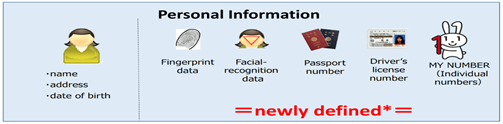
4.A digital citizen is responsible for online purchasing decisions and protects their payment information. We should be more secure with our information. Rather than buying online we should buy instore.

5.A digital citizen promotes physical and mental health and limits health risks. By not spending so much time in the technical society.

References:
Schoology.com. (2019). Digital Citizenship: Elements, Lessons, and Importance. [online] Available at: https://www.schoology.com/blog/digital-citizenship-elements-lessons-and-importance-0
[Accessed 30 Sep. 2019].
Edtechreview.in. (2019). [online] Available at: https://edtechreview.in/trends-insights/insights/1706-infographic-characteristics-of-a-good-digital-citizen
[Accessed 30 Sep. 2019].
Social capital is defined as,” The networks of relationships among people who live and work in a particular society, enabling that society functions effectively.” It allows individuals in society to work and function effectively. Individuals use platforms in order to benefit themselves corporately. Being respected online can make it easier to sell a product, the bond with customers, trust and safety brings in profit.
We can create a better online community for us all. Strategic work, create a diverse network, relationships, dedicate time to networking and social media are all ways in which we as digital citizens can enhance social capital (2015, IIE).
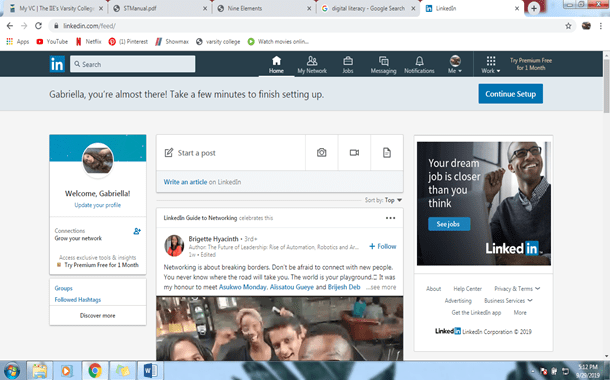
Social network defines social capital. The social network is people you know and have relationships with. We as individuals can access resources through people and relationships through making connections and being more active on social media. We need to expand our social networking for example; Linkeden is where we as individuals can share ideas and build connections.
We should use technology in order to participate in society and politics. Through using one digital citizen we can get a message to a large amount of individuals.
References:
Site Title. (2019). 1.3 Define and explain how citizen can build and enhance social capital. [online] Available at: https://15008786rcconnect.wordpress.com/2017/04/18/1-3-define-and-explain-how-citizen-can-build-and-enhance-social-capital/
[Accessed 30 Sep. 2019].
Edutopia. (2019). The Importance of Digital Citizenship in Social Media. [online] Available at: https://www.edutopia.org/blog/social-digital-media-citizenship
[Accessed 30 Sep. 2019].
The issue with digital Access is that many individuals do not have access to technology and thus have a disadvantage. Without the open access to the digital community individuals can lose business opportunities as well as opportunities to improve their skills.
Then again the issue with this type of communication is the miss use or non-existent netiquette.
The digital community can give less outgoing individuals a place to communicate and be themselves it is also a fast and effective way of sending messages.
Unfortunately not everyone is digitally literate.
Many individuals say that they trust products more due to positive reviews.
Usually the individuals with less digital skills and who are younger are more susceptible to falling victim to financial loss, physical and mental harm. One of the biggest issues to a computer is malware which is software that is used to compromise compute functions to steal data. Advertisements, bots that steal information, bugs that bypass security on computers, viruses and theft scams. Other threats towards our mental health as a digital society is online grooming of young individuals, sexual comments, sexting and online stalking. There are however ways to protect ourselves for example: running software updates regularly, secure the cloud, maintain secure passwords, protecting sensitive files, remaining anonymous as well as running HTTPS protocols.
6. Digital rights/responsibility: Because the interne does not have specific organizations or constitution that governs it. Privileges and freedom to all digital technology users. Businesses use e-marketing and e-business strategies, through this they have the responsibility to sell ethical products legally. We also have the responsibility to access products that are available ethically. We also have a responsibility of ethical and legal use of information to avoid plagiarism. We also have a right towards ourselves and others to responsibly use technology.
7. Digital law: We as individuals apart of the digital community have the responsibility for our actions, ethical or unethical. Laws on privacy, cyber stalking and cyber tourism. We give out our personal information, businesses give out our personal information, data mining. Websites track our online behavior through the use of cookies. We have the right to privacy of personal expression. Using technology in an acceptable and appropriate manner.
8. Digital commerce: is defined as,” electronic selling and buying of goods and services through the internet. It is a cheaper and more efficient way of distributing products and services. Although we as consumers need to be informed consumers through making higher quality investments, ethical investments and responsible investments.
9. Digital health/wellness: The overuse of technology. We have to look at the overuse of technology and through that at ergonomics. Ergonomics is defined as the, “science of designing environments and products to match individuals who use the.” For example: chairs that have adjustable backs, raised keyboards. The physiological effects that technology has on us is; carpel tunnel and eye strain as well as obesity. The psychological issues are for example; addiction of using the internet, feeling disinhibited, cyber bullying and cyber stalking. Technology takes a physiological and psychological toile on us as individuals, we need to limit our time spend on technology (2015, IIE).
References;
Portal.iie.ac.za. (2019). [online] Available at: https://portal.iie.ac.za/Student%20Manuals/DIGC5110_Digital_Citizenship/2019/STManual.pdf
Rcsddigitalcitizenship.weebly.com. (2019). [online] Available at: http://rcsddigitalcitizenship.weebly.com/uploads/5/2/3/8/5238268/nine_elements_of_digital_citizenship.pdf
[Accessed 30 Sep. 2019].
Schoology.com. (2019). Digital Citizenship: Elements, Lessons, and Importance. [online] Available at: https://www.schoology.com/blog/digital-citizenship-elements-lessons-and-importance-0
[Accessed 30 Sep. 2019].
We as individuals who use technology on a daily basis , may be blind to the fact that we use digital fluency every day. Physical print such as newspapers used to be a very popular way of communication, we now use inexpensive digital technology in order to communicate.
An example that I am going to be using in this is going to be an ice skating YouTube video: https://youtu.be/lXIBano6iXw
When looking at what digital fluency is we have to look at the following:
2. Verbalising: This is when the message is clearly and properly communicated. The message was clear and put through with a complication of a few of her achievements and others girls achievements.
3. Verifying: The communicated of the message needs to make sure that the message that is being verbalised is reliable and credible. The message is credible as the message is coming from the individual herself as well as her coach.
4. Medium: how efficient the platform is that the message is conveyed on. YouTube is a huge social media site that reaches a massive amount of individuals.
5. Form: This is based on the aesthetic nature of the message. The colour scheme and basic design that attracts listeners or watchers. The way that the complication of videos are put together is very aesthetic showing us as viewers how the girl practices and moves on the ice.
6. Flow: The right progression and flow of a good message. The message does flow very well, showing us how she progressed and got to where she is now.
7. Alignment: The message needs o be successfully aligned in order to make sense .
When all of these factors are taken into consideration the video can be successfully communicated. This video specifically is a five minute long video about a female Olympic ice skater who landed the first quadruple toe loop at only 13 years old.
References: The IIE, 2011. Digital Citizenship Module Manual. The Independent Institution of Education : Unpublished.
Anon, (2019). [image] Available at: https://youtu.be/lXIBano6iXw [Accessed 23 Aug. 2019].
A digital divide is defined as,” The divide between individuals who have ready access to the internet and those who do not.” A study was done that showed how technology effects education and . The results were the following; in Gauteng and Western Cape were the best performing with education. The worst performing schools were in mostly rural areas in Eastern Cape, Limpopo and Kwa-zulu Natal.
3rd World countries cannot compete with the countries who have access to technology. The digital divide is an outcome of class division, low income and bad infrastructure. Africa has twenty percent of the world’s population, yet only four percent of Africa has internet data access.
I believe a cause of the digital divide is apartheid, which promoted the divide and created the digital divide in technology. It will take years to reverse the damage that apartheid has done, and to come to the technology level that first world countries are on.
The digital divide also exists among st gender, physical disability, race and age. This creates its own divide in the technology world.
Technology is becoming more innovative day by day. Making our lives easier. Technology is used to communicate to a broad audience as well as individuals on their own. Technology makes it easy to accumulate information.Technology should be a human right. in every community.
The linden area in Johannesburg is mainly a middle to high class area, the schools in this area mostly have access to computers and technology. We can see how this affects the pass rates in this area, for example Linden Hoërskool ,the areas high school, has a seventy year hundred percent pass rate. Advertising of the schools and businesses are done online, Reaching a wider audience in the community.
The community groups on social media help with communication among st individuals.
The digital divide in Linden has improved over the years. There are however still issues that cause a digital divide in this area, for example Eskom power outages.
Non the less, the digital divide in South Africa has become more narrow. And will continue to become more technologically innovative.
Mhaka, t. (2019). Digital Divide: The Technology Gap between the Rich and Poor — Digital Responsibility. [online] Digital Responsibility. Available at: http://www.digitalresponsibility.org/digital-divide-the-technology-gap-between-rich-and-poor [Accessed 6 Aug. 2019].
Singh, A. (2019). Bridging the digital divide: the role of universities in getting South Africa closer to the global information society. south african journal of information management. Available at: https://www.bridgingthedigital divide/ [Accessed 6 Aug. 2019].
The University of the Witwatersrand, J. (2019). 2018 – Bridging the digital divide with photonics – Wits University. [online] Wits.ac.za. Available at: https://www.wits.ac.za/news/sources/science-news/2018/bridging-the-digital-divide-with-photonics.html [Accessed 6 Aug. 2019].
19015367 GABRIELLA
Have a WordPress.com account? Log in now.